This raises an uncomfortable question for OT environments that still rely heavily on legacy infrastructure. Consider a typical HMI running Windows XP: long past end-of-life, unpatched, and often deeply embedded into operations. For years, the assumption has been that most meaningful vulnerabilities were discovered before vendor support ended, and that residual risk could be managed through isolation and compensating controls. That assumption no longer holds.
The reality is that vendors like Microsoft never “found everything.” Vulnerability discovery has always been constrained by human effort, available tooling, and prioritization. AI changes that equation entirely. Systems like Claude Mythos can now revisit old platforms with fresh analytical capability, identifying flaws that were previously invisible—not because they were impossible to find, but because no one had the means to find them efficiently.
The real challenge emerges when new vulnerabilities are discovered in systems that are no longer supported. There are no patches, no vendor fixes, and often no practical way to upgrade without significant operational disruption. In effect, organizations are left running infrastructure where newly discovered weaknesses may persist indefinitely, potentially exploited without ever being publicly disclosed.
For OT environments, the impact is amplified. These systems are designed for stability and uptime, not rapid change. They often rely on insecure-by-design protocols, lack modern endpoint protections, and cannot be easily segmented or monitored using traditional IT approaches. When AI accelerates both discovery and exploitation, the window between vulnerability identification and active use shrinks dramatically—sometimes to near zero.
This shifts the risk model entirely. Security teams can no longer rely solely on known vulnerabilities or published CVEs. Instead, they must assume that unknown weaknesses exist and may already be discoverable by adversaries using similar AI capabilities. The focus moves from patching to containment, from prevention to detection, and from trust in legacy stability to acceptance of continuous exposure.
Ultimately, Claude Mythos represents more than a technological advancement—it exposes a long-standing blind spot in how organizations think about legacy risk. Systems like Windows XP were never “fully secured”; they were simply no longer being examined. Now, with AI re-opening that examination at scale, OT leaders must confront a new reality: the greatest risks may be the ones that have been sitting quietly in their environments all along.
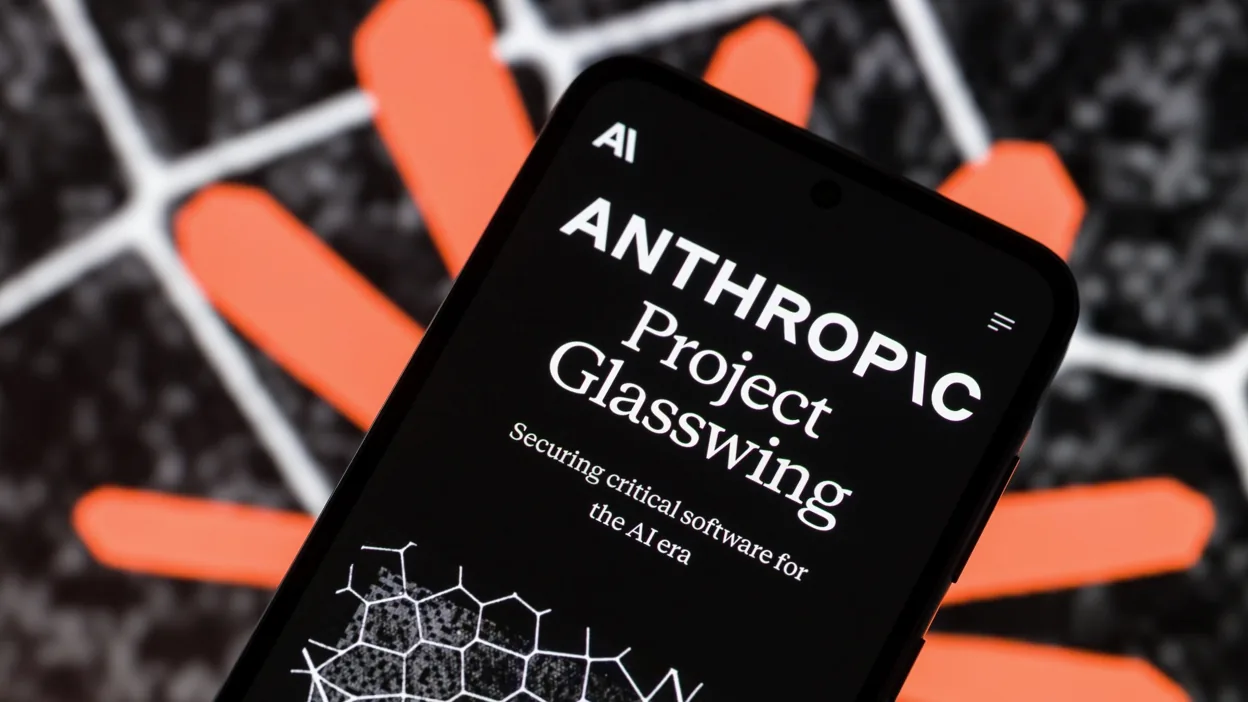 Hello All. The emergence of Claude Mythos is forcing a rethink across the cybersecurity landscape. Unlike earlier tools that assisted analysts, this new class of AI is capable of autonomously identifying and chaining together previously unknown vulnerabilities. What makes this particularly significant is not just speed, but depth—these systems can analyze legacy codebases and uncover flaws that may have existed, unnoticed, for decades.